 Event
EventExhibition "Avant-Garde and Icon"
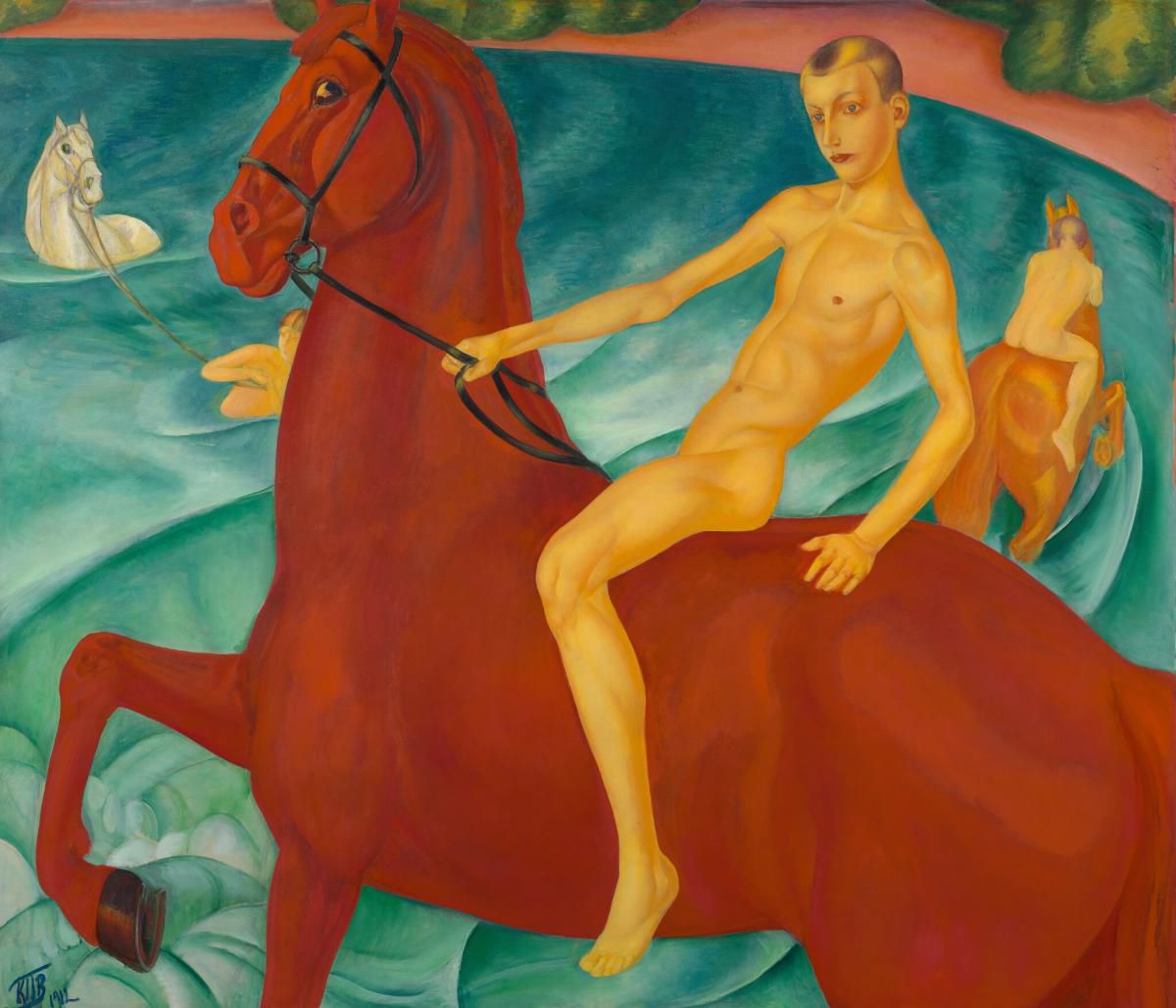
The exhibition offers a look at the dialogue between two key traditions of Russian art - the ancient and the radically new. It is structured as a route that reveals hidden resonances of forms, colors, and thinking. The exhibition is conceived as an invitation to discuss the artistic correspondences between the iconographic tradition and the art of the early 20th century. The route format implies a series of pinpoint "interventions" in the space of the permanent exhibition, where works from different eras enter into direct visual and meaningful interaction. Russian medieval and folk art became one of the most important sources for avant-garde artists. Many key figures of new art turned to Christian imagery and the plasticity of ancient painting. For them, the icon was not only a monument of the past but also a living experience of working with form, color, and composition. Many avant-garde masters began their journey in icon-painting workshops or participated in church commissions, which provided them with a deep understanding of the principles of church painting and medieval aesthetics, rediscovered at the turn of the 19th and 20th centuries. By that time, ancient icons were already available in museum collections and private collections, becoming subjects of study and reinterpretation. The interest in icon painting was accompanied by theoretical reflection. Artists and researchers viewed it as a school of compositional boldness and color clarity, capable of enriching contemporary art. At the same time, by borrowing certain principles of ancient Russian painting, the authors of the early 20th century created their own, autonomous, and authentic artistic worlds. Find other exhibitions in Moscow on KUDAGO.
Similar upcoming events