 Event
Exhibition "White Fang"
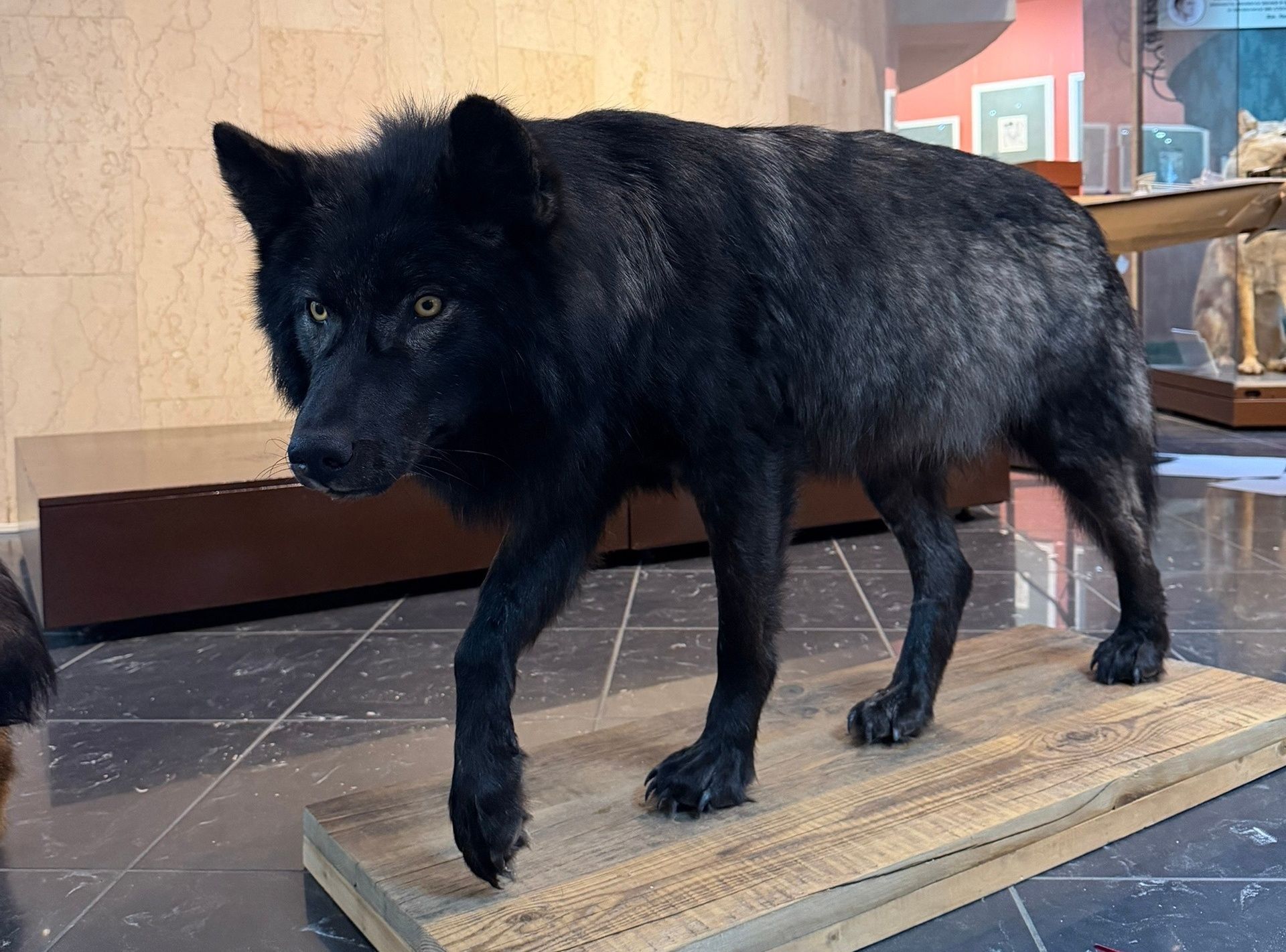
The project tells about the nature of wolf packs, the origin of dogs, and the role of four-legged helpers in the exploration of northern territories. At the center of the exhibition is the story of wolves, dogs, and wolf-dogs, animals that combine traits of wild and domestic members of the canine family. Visitors will learn how the relationships between humans and these animals developed, what laws operate within wolf packs, and why the behavior of predators continues to intrigue researchers. The project is dedicated to the 150th anniversary of the birth of Jack London, who wrote the story "White Fang." The story of the wolf-dog raised in the harsh conditions of the North sparked a conversation about the nature of animals, the power of nature, and the significance of care in the relationships between humans and beasts. The exhibition tells about the origin of dogs and wolves, their common ancestor, and the characteristics of hybrids. Guests will be able to examine the skulls of wolves, dogs, and wolf-dogs, learn about the differences between them, and the attempts to breed working hybrids. An important part of the project is dedicated to the exploration of Alaska and the Far North. For centuries, dogs have helped people navigate snowy territories, transport goods, and cover great distances. The exhibition features materials related to sled dogs, sledding, and the history of northern settlements. The exhibition is located in the exhibition halls of the museum. Where to go in Moscow on the weekend, KUDAGO will suggest.
Similar upcoming events